Why a 60-Second Wedding Teaser Can Hold So Much: Danielle & Matt’s Film
Danielle & Matt’s 60-second teaser is a perfect starting point for understanding why short wedding films are built around feeling, rhythm and memory—not a checklist.
A wedding day can last ten or twelve hours. A teaser film might last only sixty seconds. That sounds like an impossible mismatch until you understand what a teaser is actually designed to do.
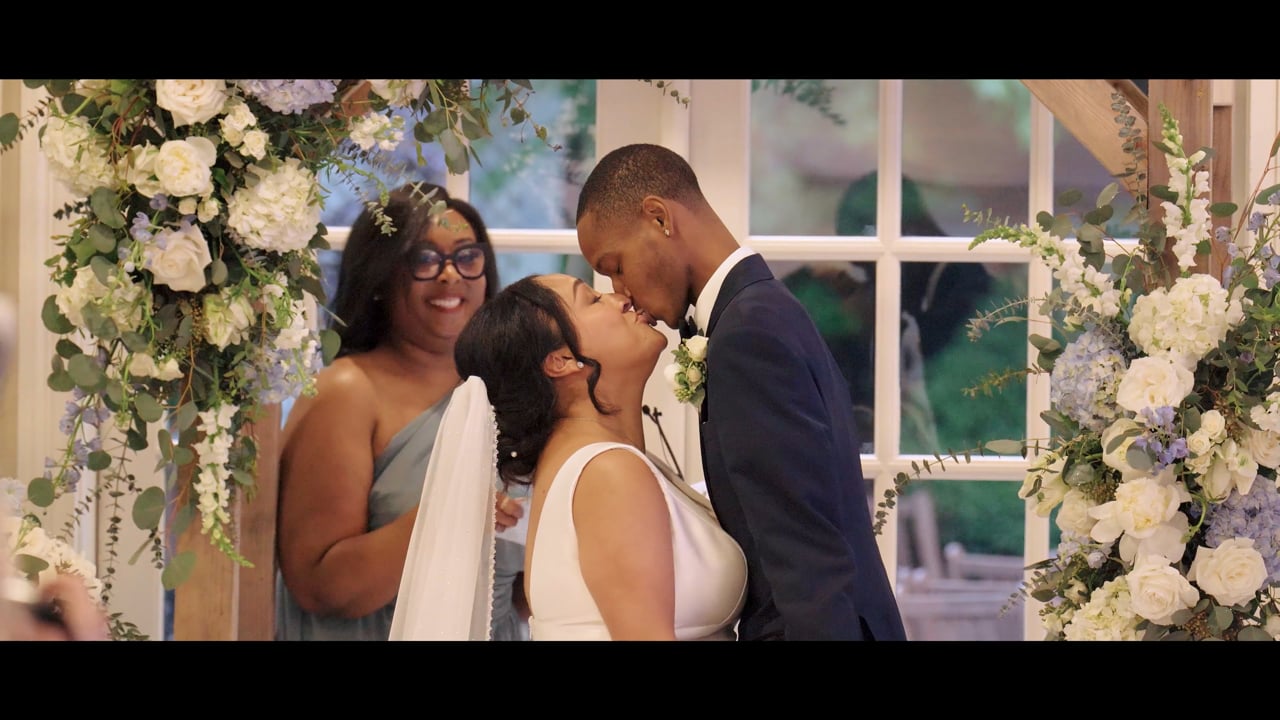
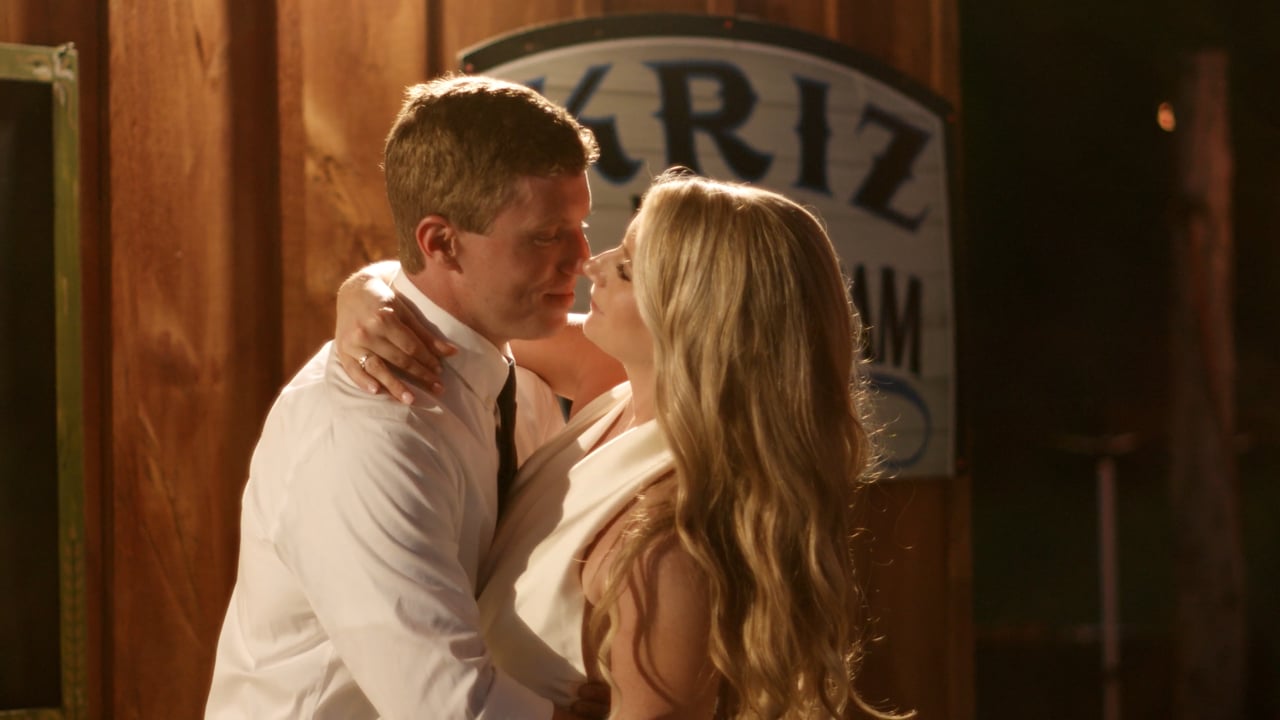
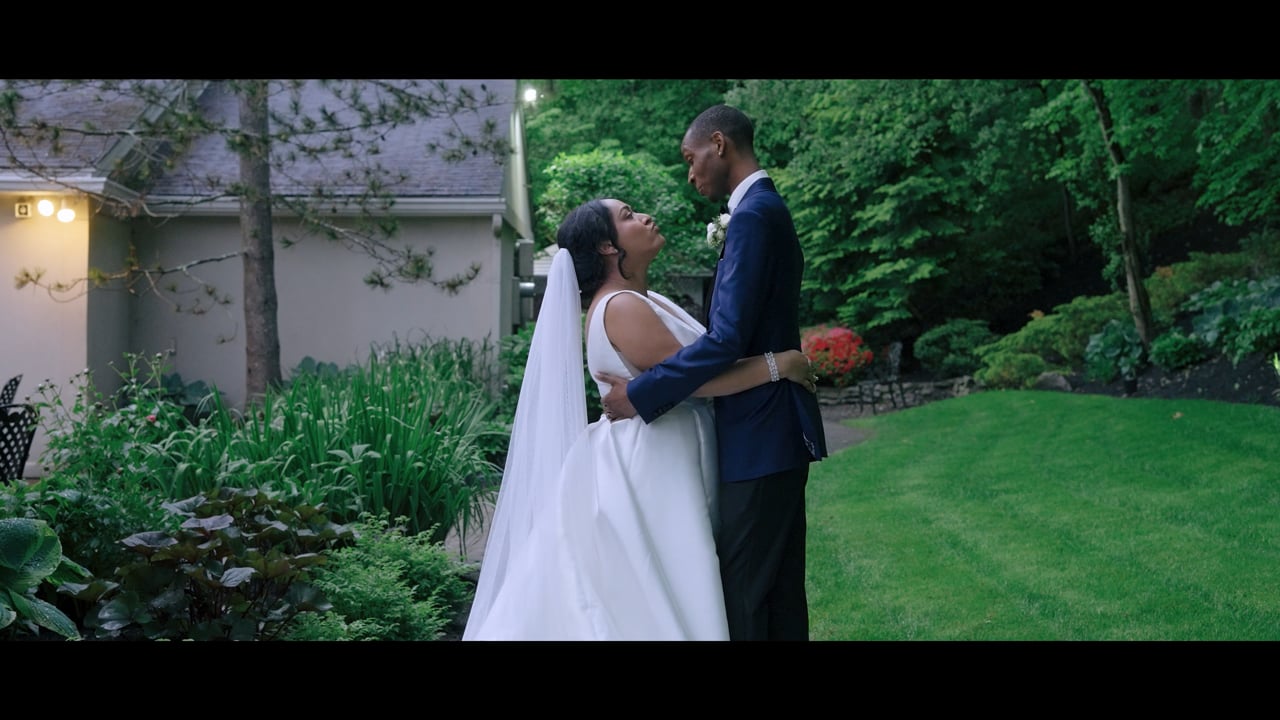
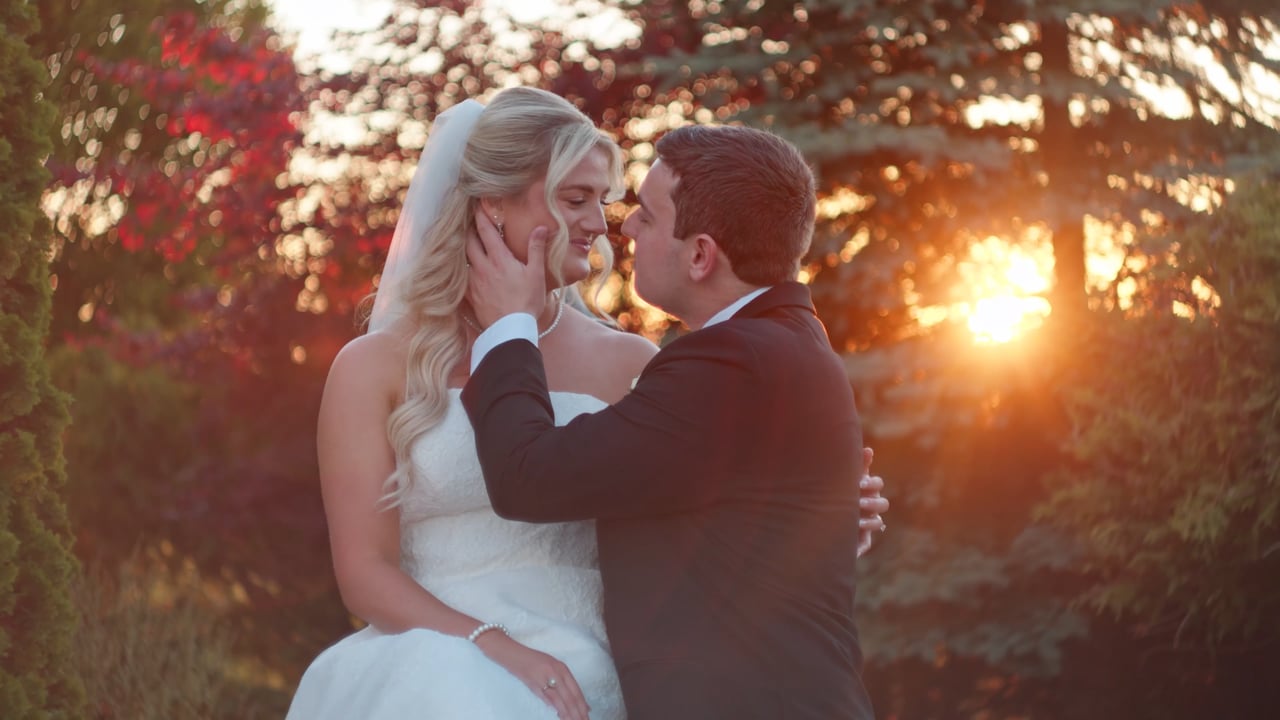
Danielle & Matt’s teaser film, featured above, is one minute long. Its job is not to summarize an entire wedding or replace a longer highlight film. A teaser is closer to an emotional first impression: a tightly edited piece that brings you back into the atmosphere of the day before you ever sit down to watch the fuller story.
For couples considering wedding filmmaking, that distinction matters. Different film lengths preserve different parts of the experience, and a strong wedding collection does not ask one deliverable to do everything.
A teaser is about emotional concentration
A short wedding film works because it is selective.
When we edit a teaser, the goal is not to squeeze every major event into sixty seconds. Trying to do that would usually create a rushed recap. Instead, short-form wedding storytelling relies on rhythm, visual contrast, movement and carefully chosen emotional beats.
That is why a teaser can feel complete even though it is intentionally incomplete.
It can give you a sense of the energy of the celebration without explaining every transition. It can hint at the personality of the day without turning into a chronological timeline. And because it moves quickly, it becomes an easy way to revisit the feeling of the wedding when you only have a minute.
That makes the teaser especially different from a traditional wedding video recap.
Your highlight film has a different responsibility
A longer highlight film has room to breathe.
It can develop an emotional arc. It can allow spoken words, ambient sound and visual sequences to stay on screen longer. It can move from preparation into ceremony, portraits and celebration with more context.
A teaser does not need to compete with that experience. The two formats can work together.
Think of the teaser as the piece you may watch immediately because you want to feel something from the day again. The highlight film is the piece you settle into when you want more of the story.
For couples comparing packages, this is one reason it helps to look beyond a simple list of deliverables. Ask what each film is meant to accomplish. A one-minute teaser and a several-minute highlight should not feel like the same edit at two different lengths.
You can explore more examples in our Wedding Films collection and compare how different formats create different viewing experiences.
Film preserves something photography cannot—and photography preserves something film cannot
Wedding photography and wedding filmmaking are strongest when they are treated as complementary rather than interchangeable.
A photograph gives you a frozen moment you can study. You notice expression, light, clothing, architecture and small details in a way that is very different from watching motion. Photographs become prints, albums, framed pieces and the images families return to one at a time.
Film gives you movement, timing and sound.
It can preserve the way someone walked into a room, the pace of an embrace, the sound of a voice, the energy of a crowd or the small movements that exist between still photographs.
Neither medium needs to prove it is more important than the other. The better question is what you want to be able to remember years from now.
Our Wedding Photography Gallery shows the still-image side of that storytelling, while the film above shows why motion creates a very different kind of memory.
Short films are not simply social-media edits
A teaser is easy to share, but shareability should not be the only reason it exists.
Social platforms change constantly. Screen formats change. Apps come and go. A wedding film should still make sense after the trend that surrounded its release has passed.
That means we approach short-form edits with the same storytelling care we would bring to a longer piece. Fast pacing does not mean random pacing. A dramatic song does not automatically create emotion. And cinematic camera movement only matters when it supports the moment rather than distracting from it.
The strongest teaser feels intentional even when the viewer cannot explain why.
Give your filmmakers room to observe
One of the most overlooked ingredients in a strong wedding film is time.
When every part of the wedding day is scheduled down to the minute with no breathing room, photographers and filmmakers spend more of their energy reacting to delays. A thoughtful timeline creates small pockets where real interactions can happen without immediately being interrupted by the next required event.
That does not mean your wedding should become a production set. The opposite is usually true. Good coverage should protect the experience you are having, not make you feel as though you are constantly performing for cameras.
When we discuss coverage with couples, we are thinking about both the visual possibilities and the actual experience of the day. The goal is to create room for authentic moments while still making sure the important parts of the celebration are covered intentionally.
If you are still building your timeline, reviewing your photography and film coverage together can prevent the two plans from working against each other.
What should you look for in a wedding teaser?
Do not judge a teaser only by how dramatic it feels in the first ten seconds.
Watch for whether the edit feels coherent. Does the pacing feel intentional? Does it make you curious about the couple and the larger story? Do the images feel consistent? Does the camera work support the emotion instead of calling attention to itself?
Most importantly, ask yourself whether you would want your own wedding remembered in that style.
Every filmmaker has a different visual language. The right choice is not simply the person with the most elaborate camera movement or the fastest edit. It is the team whose work feels aligned with the way you want your memories to feel.
Our Packages page explains how photography and film coverage can be combined, and our About page gives more context on the approach behind A Cinematic Wedding.
One minute can be enough to bring you back
A teaser cannot contain a wedding day. It should not try to.
What it can do is create a doorway back into it.
Danielle & Matt’s teaser is sixty seconds. That brevity is part of the design. It is meant to be watched, replayed and felt quickly—while leaving room for the longer film to tell a more complete story.
For couples deciding whether wedding filmmaking belongs in their plans, think less about the number of minutes on a package sheet and more about the kinds of memories each film gives you access to.
If you are planning a Connecticut or New England wedding and want photography and film coverage designed together from the beginning, you can contact A Cinematic Wedding to talk through your date and vision.
Helpful Wedding Finds
Useful ideas for this part of your planning
As an Amazon Associate I earn from qualifying purchases.
Wedding photo albums
Turn finished photographs into a physical collection for long-term viewing.
Browse on Amazon →Wedding keepsake boxes
Store vows, invitations, prints, and other meaningful pieces alongside your film.
Browse on Amazon →Keepsake vow books
Preserve the words spoken during the ceremony in a tangible form.
Browse on Amazon →Plan Your Coverage
See how your wedding can look and feel on film
Explore complete wedding stories, compare coverage options, or tell us about your date and venue.