From the Details to the Aisle: How a Wedding Gallery Tells the Full Story
A complete wedding gallery is more than a collection of portraits. Details, transitions, ceremony moments and quiet photographs work together to preserve how the day unfolded.
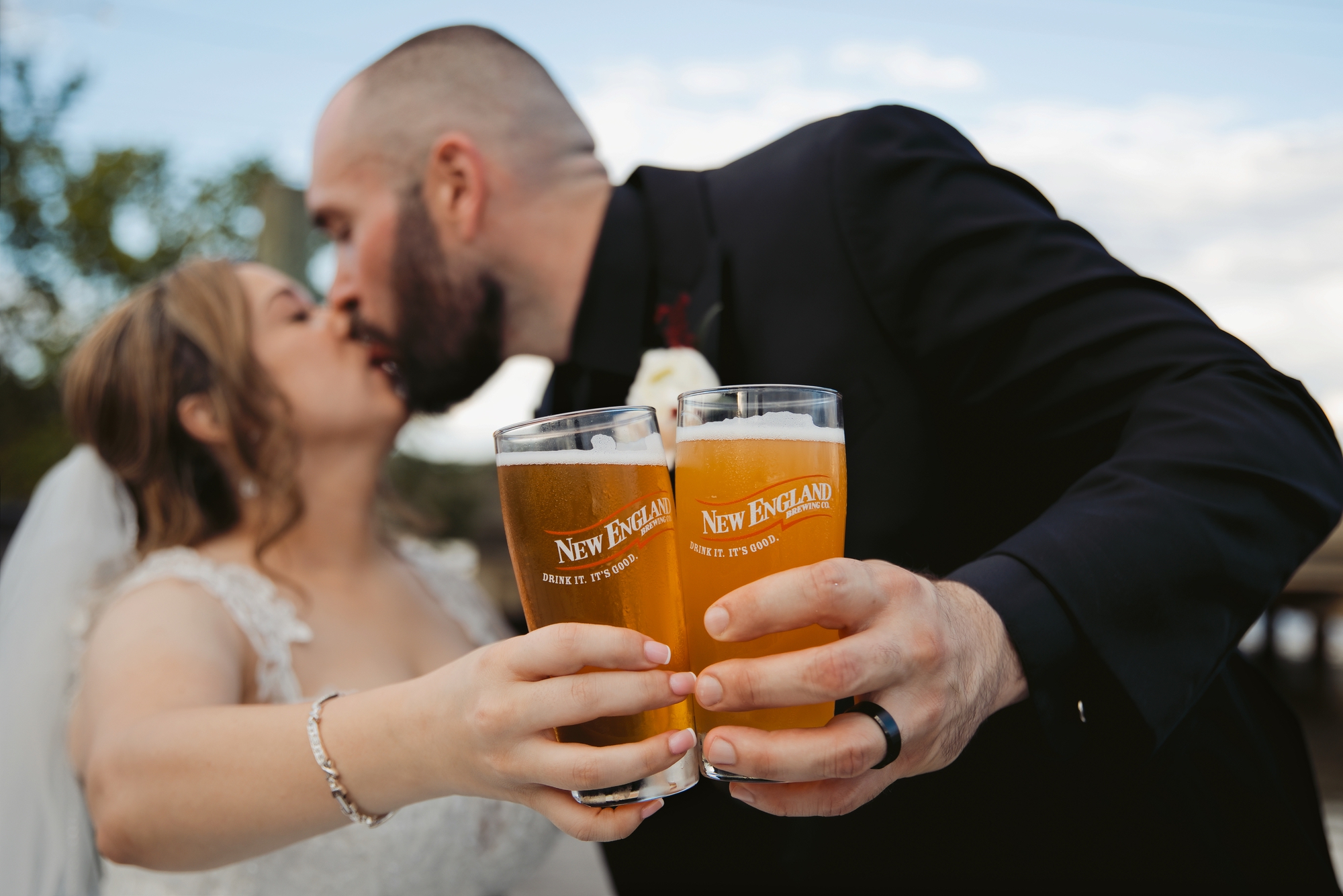
The photographs couples share first are often the big ones: the portrait they love, the first kiss, the dramatic reception image. But a wedding gallery becomes more meaningful when those highlights are surrounded by the smaller photographs that explain the day.
A ring. A dress waiting in the room. The walk toward the ceremony. A reaction that happened away from the center of attention.
Those images create context.
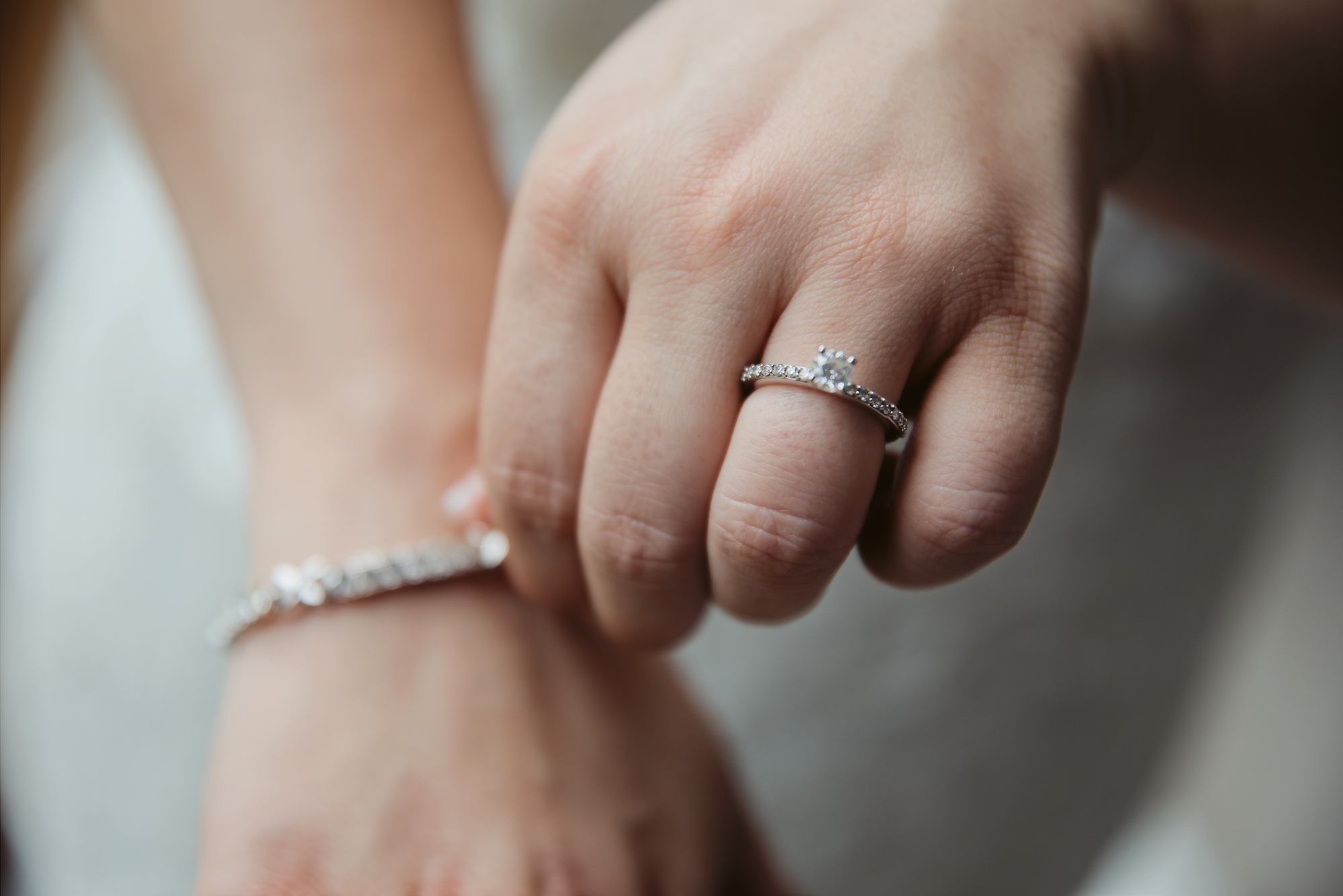
Details establish the visual language of the day
Rings, attire, stationery, flowers and personal objects may seem small compared with the ceremony, but they introduce the colors, textures and choices that shaped the celebration.
The strongest detail photographs are not made simply because an item appears on a checklist. They are photographed in a way that connects visually with the rest of the gallery.
Quiet portraits create pacing
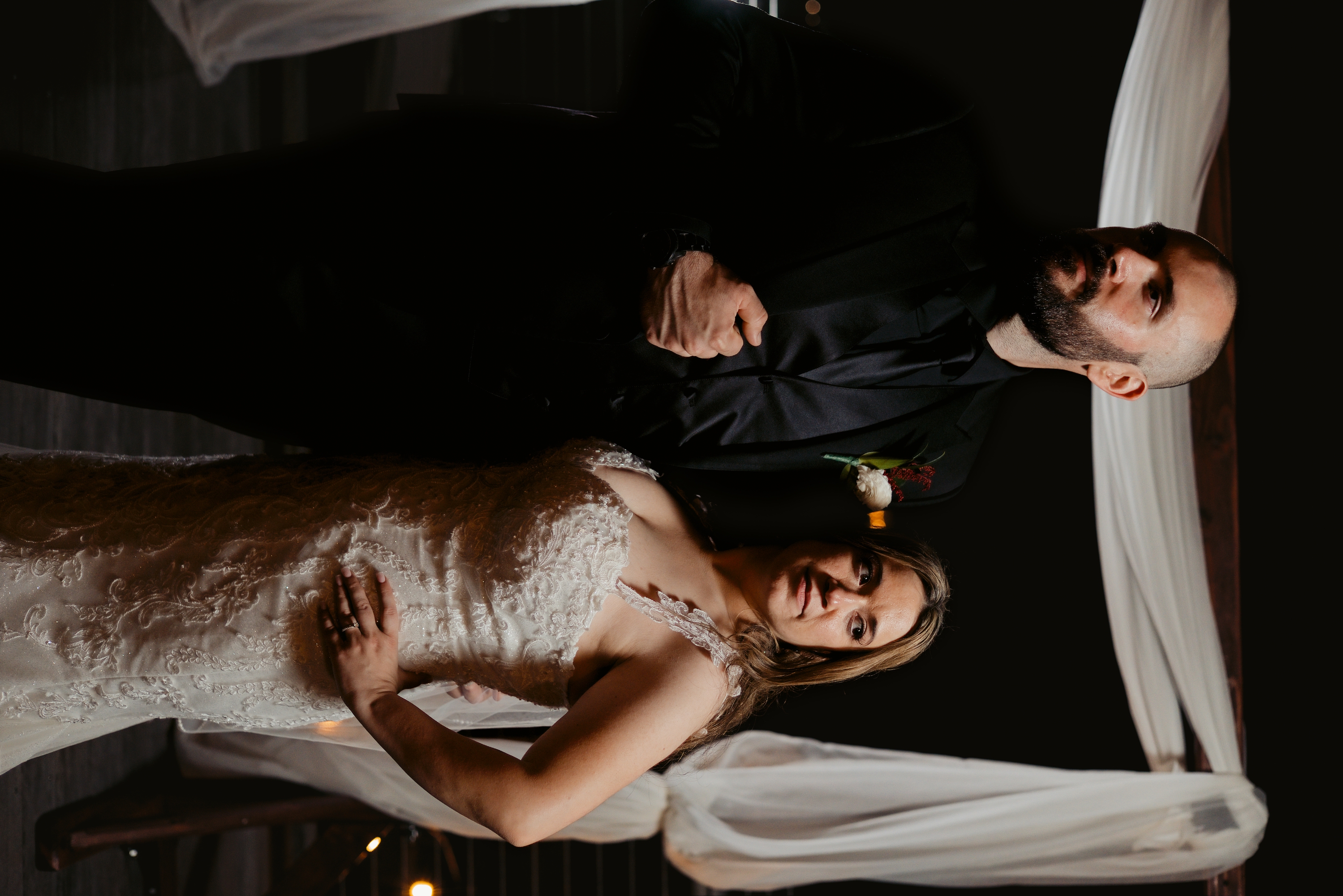
A wedding gallery benefits from contrast. Not every photograph needs to be loud, emotional or full of movement.
A quiet bridal portrait near a window or meaningful part of the room can create a pause between busier sequences.
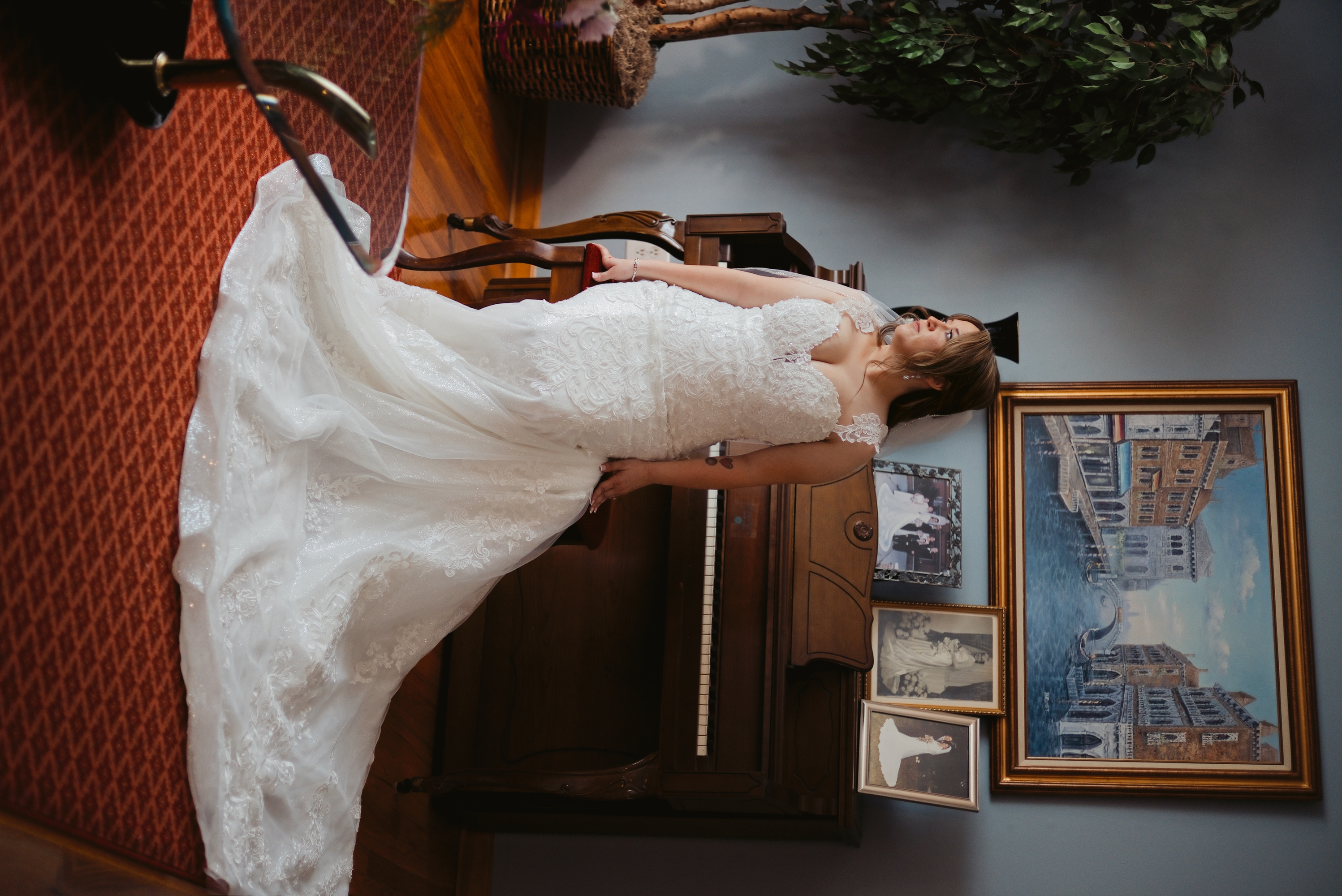
When couples look through the collection later, those quieter photographs give the story room to breathe.
The ceremony changes the emotional pace
The walk down the aisle is one of the clearest transitions in the wedding day. The preparation is over. Guests are gathered. The ceremony begins.
Photographing that moment is not only about one image of the person walking. Reactions, spacing, architecture, family and the partner waiting at the other end can all contribute to the sequence.
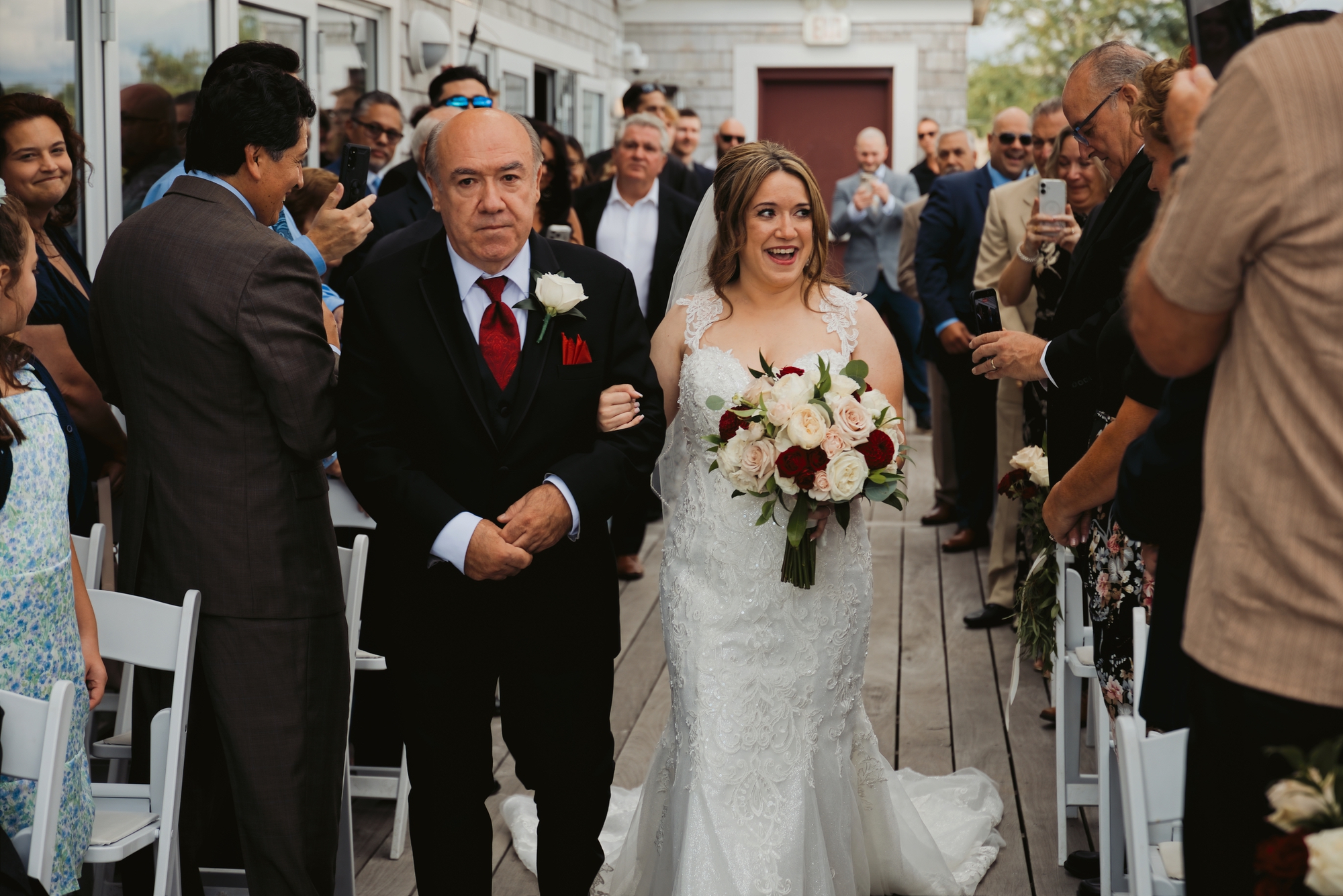
A strong gallery includes the in-between photographs
The value of full-day coverage is not simply that the photographer stays longer. It is that there is enough time to preserve transitions instead of only arriving for the largest moments.
Those transitions may include:
- Final preparation before leaving.
- Travel or arrival.
- Guests settling into the ceremony.
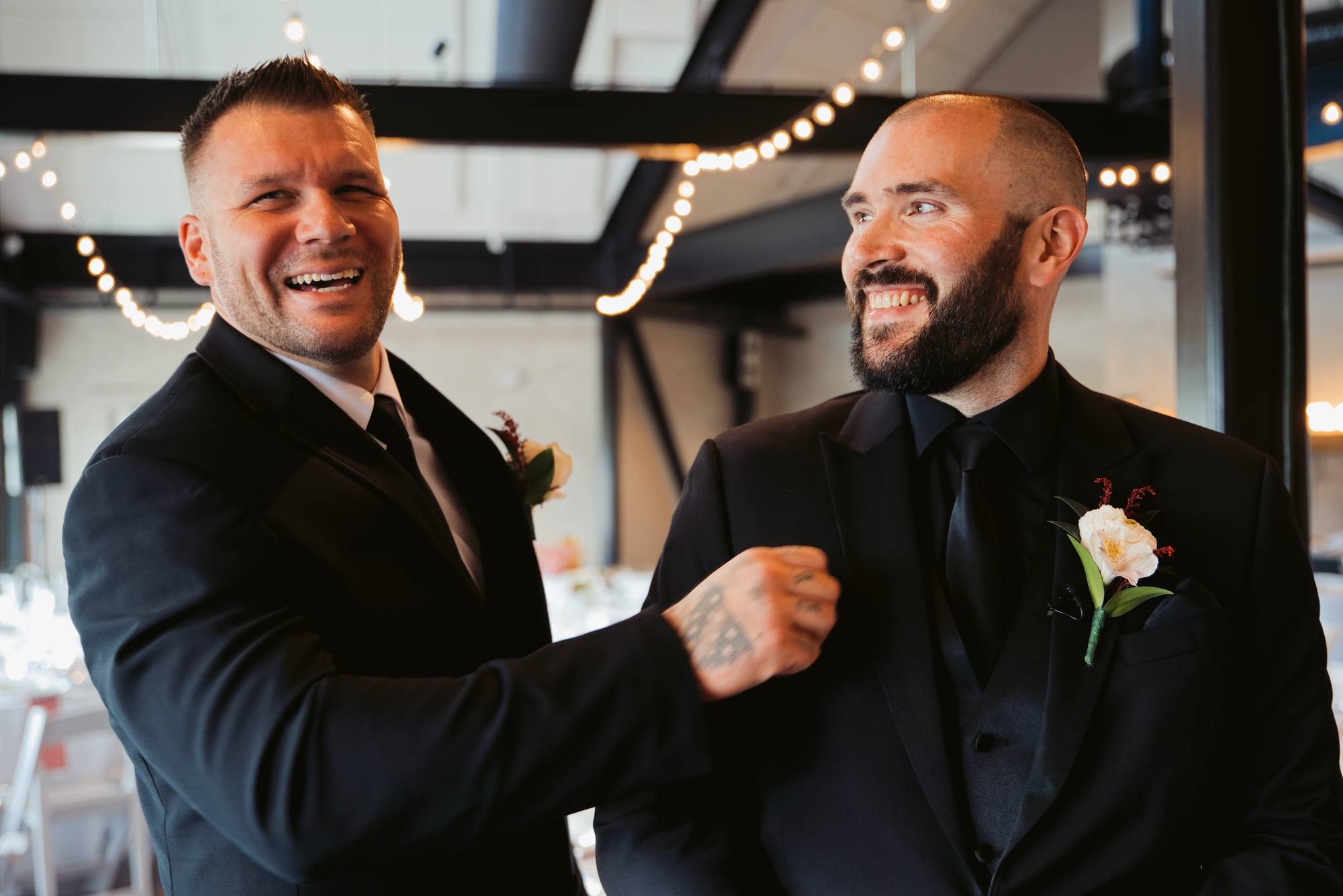
- Family reactions.
- The room before everyone enters.
- Cocktail-hour interactions.
- The shift from formal reception events into open dancing.
Together, those photographs make the gallery feel complete.
Photography and film preserve different parts of the same story
Still photographs let you study a moment. Film gives you movement, voices and the seconds leading into and out of it.
That is why couples who value storytelling often choose both. You can compare our photography and videography collections or watch finished wedding films to see how the two formats complement each other.
The goal is not more photographs. It is a better story.
A large image count by itself does not guarantee a meaningful wedding gallery. What matters is whether the final collection has variety, context, emotion and enough visual continuity that the couple can understand how the day felt from beginning to end.
Explore more photographs in our gallery, or contact A Cinematic Wedding to talk about coverage built around the complete story rather than only a list of required shots.
Helpful Wedding Finds
Useful ideas for this part of your planning
As an Amazon Associate I earn from qualifying purchases.
Wedding photo albums
Turn finished photographs into a physical collection for long-term viewing.
Browse on Amazon →Wedding keepsake boxes
Store vows, invitations, prints, and other meaningful pieces alongside your film.
Browse on Amazon →Keepsake vow books
Preserve the words spoken during the ceremony in a tangible form.
Browse on Amazon →Plan Your Coverage
See how your wedding can look and feel on film
Explore complete wedding stories, compare coverage options, or tell us about your date and venue.